
By: Mr. Muralidharan Narayanaswamy.
We are extraordinarily generous people—at least with wishes.
We hand them out like visiting cards: All the best! Good luck! Hope everything works out!
They are well-intentioned, socially acceptable, and conveniently inexpensive. No wrapping paper required.
But there is another currency we use far more sparingly: gratitude—the quiet, deliberate act of acknowledging what has already been done.
Wishes look forward. Gratitude looks back.
And oddly enough, the past—when acknowledged properly—has a much longer shelf life than the future.
There’s an old English saying:
“Thanks is a poor man’s coin—but a rich man’s treasure.”
It sounds contradictory, and that’s the point. Gratitude costs nothing, yet it is worth everything. A wish signals hope; gratitude confirms impact.
Cultures across the world seem to have arrived at this conclusion long before WhatsApp made “Happy New Year” a forwarding exercise.
In Japan, there is the concept of on—a deep, almost solemn sense of indebted appreciation. It isn’t announced. It doesn’t come with emojis. It quietly reshapes how one lives, long after the giver has moved on. Gratitude, there, is not a moment—it is a posture.
The French put it beautifully:
“La reconnaissance est la mémoire du cœur.”
Gratitude is the memory of the heart.
Wishes live in the mind. They float about, easily distracted. Gratitude settles into memory and stubbornly refuses to leave.
Arabic wisdom is even more direct:
“He who does not thank people does not thank God.”
No cushioning. No polite disclaimer. Gratitude here isn’t etiquette—it is alignment. To acknowledge another is to admit a simple truth: you did not get here alone.
Best wishes, though forward-looking, are oddly impersonal. They imagine a future version of someone, neatly detached from the effort, sacrifice, or sheer persistence that brought them to this point. Gratitude, on the other hand, says something far more intimate:
I noticed. I understand the cost. I remember.
A Chinese proverb captures this with elegant simplicity:
“When drinking water, remember the source.”
The water may quench your thirst, but the source sustains your life.
Wishing someone well admires the water. Gratitude bows to the source. There is also a subtle power equation hiding in plain sight.
Wishes place us safely on the sidelines—benevolent observers offering hope from a distance. Gratitude steps onto the field. It admits dependence. It humbles. And paradoxically, it is humility that deepens connection.
In Latin, gratus meant both thankful and pleasing. To be grateful was not merely to say something—it was to become something. Gratitude was expected to show up in conduct, not just conversation.
This is why gratitude outlives best wishes.
A wish fades when circumstances change. Gratitude matures with time. Years later, we may not remember who wished us luck—but we remember, with surprising clarity, who acknowledged our effort, our presence, our contribution.
Gratitude tells a story that wishes never can:
You mattered. What you did mattered. I am not unchanged by you.
And perhaps that is why such reflections linger.
Not because they are profound—but because they are familiar.
After all, we don’t really long to be wished well.
We long to be seen.
So this year, if you must say something—pause before the reflexive Happy New Year.
Consider saying instead: Thank you—for last year.
It may not sparkle.
It won’t trend.
But it will land exactly where it should.
After all, calendars change automatically.
People don’t.
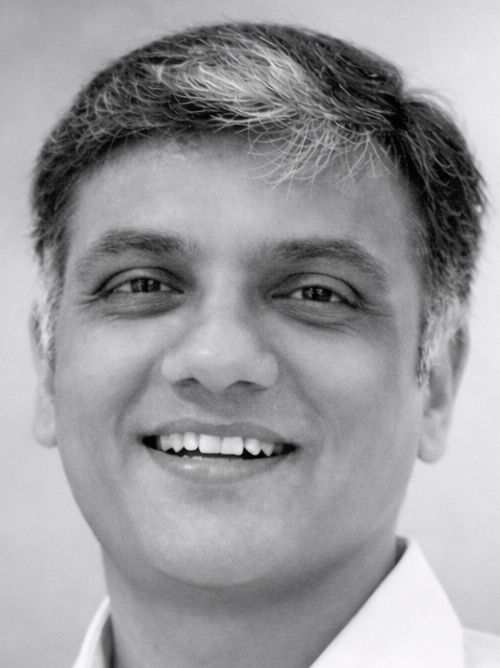
About the Author: Mr. Muralidharan Narayanaswamy writes on education, culture, and the quieter dimensions of human experience.



Very nice article on the eve of New Year,new leaf with happiness in store in abundance.To Mt mind wishes are for the Bright Future and Gratitude is for the work completed and paying respect.
Yes both are powerful.
So rightly nentioned that we must offer Gratitude at the same time wishes for the Bright Future.
Yes I definitely added to my inputs through this strong message and thought provoking article