Every year, humanity performs the same small, strange ritual.
We gather the bruises of twelve months, tie them neatly with a ribbon called hope, and announce—often with great sincerity and little evidence—that this year will be different.
The calendar flips. Fireworks crackle. Gym memberships spike briefly. And somewhere between January 3 and January 12, reality clears its throat and says, “Shall we continue where we left off?”
Yet dismissing the New Year as mere theatre would be a mistake. The turning of the year is not magic—but it is permission. Permission to pause. Permission to question momentum. Permission to ask whether speed has been mistaken for progress, noise for knowledge, and busyness for meaning.
The year gone by has been generous with lessons and stingy with comfort. It reminded us that certainty is fragile, institutions age faster than people, and technology evolves quicker than wisdom. It also showed us something quieter and more profound: human beings adapt—not because they are heroic, but because they are stubbornly hopeful.
As the Romans said, “Tempora mutantur, et nos mutamur in illis” — times change, and we change with them. The problem is not change itself. The problem is change without direction.
What Should We Wish for This Year?
Not grand slogans. Not viral promises. Certainly not another list of resolutions abandoned by Republic Day.
What we need instead is recalibration.
In Japan, there is a concept called kaizen—continuous, incremental improvement. Not transformation overnight, but progress without theatrics. The opposite of New Year bravado. The antidote to annual self-deception.
Perhaps this year, we could wish for fewer dramatic overhauls and more quiet corrections.
Correction in how we speak—less shouting, more listening.
Correction in how we work—less burnout, more boundaries.
Correction in how we measure success—not only by what is accumulated, but by what is preserved: health, relationships, curiosity, integrity.
The Swahili proverb says, “Haraka haraka haina baraka”—haste has no blessing. It is a reminder desperately needed in an age that worships immediacy and punishes patience.
A Hopeful Year Does Not Mean an Easy One
Optimism, contrary to popular belief, is not blind cheerfulness. It is disciplined belief—belief that effort matters even when outcomes are uncertain.
This year, we might wish for institutions that listen before they legislate, for leaders who explain before they announce, and for citizens who question without cynicism.
We could also wish—radically—for less performance and more substance. Less outrage curated for algorithms. Less opinion masquerading as expertise. Less virtue-signalling, more virtue.
In Latin, “Sapere aude” means dare to know. Enlightenment thinkers used it to argue that progress begins when people choose thinking over comfort. The coming year could use a little more intellectual courage—and a little less ideological muscle memory.
Technology, Humanity, and the Space Between
We will enter this year with smarter machines, faster tools, and deeper dependence on both. Artificial intelligence will write, predict, diagnose, recommend—and occasionally hallucinate with confidence.
The question is no longer whether technology can do more. It clearly can.
The question is whether humans will think better because of it—or outsource thinking altogether.
The ancient Greeks warned against hubris: excessive pride that invites collapse. Progress without humility is merely acceleration toward error. This year, let us hope innovation walks alongside ethics, and efficiency does not trample empathy.
As the Arabic saying goes, “Trust in God, but tie your camel.” Faith is not a substitute for responsibility. Neither is innovation.
Humour, After All, Is a Form of Wisdom
If there is one thing we should carry into the New Year, it is the ability to laugh—especially at ourselves.
A society that cannot laugh becomes brittle. An individual who cannot laugh becomes unbearable.
Mark Twain once observed that New Year’s resolutions are “a harmless annual custom, of no particular use to anybody.” He was right—and yet here we are, still hoping. That persistence itself is oddly reassuring.
Perhaps the goal is not to become perfect this year.
Perhaps it is simply to become slightly less foolish than last year—which, statistically speaking, would already be an achievement.
A Modest, Radical Wish
So here is a wish worth making:
That this year, we choose clarity over chaos, depth over distraction, progress over posturing.
That we learn again how to disagree without dehumanising.
That we remember growth is rarely loud—and wisdom is almost never trending.
In Sanskrit, there is a timeless line:
“Vasudhaiva Kutumbakam” — the world is one family. Not a sentimental claim, but a strategic one. In an interconnected world, selfishness is no longer efficient.
The New Year does not owe us happiness.
But it does offer us a clean margin. What we write in it—slowly, deliberately, and with a little humour—remains entirely up to us.
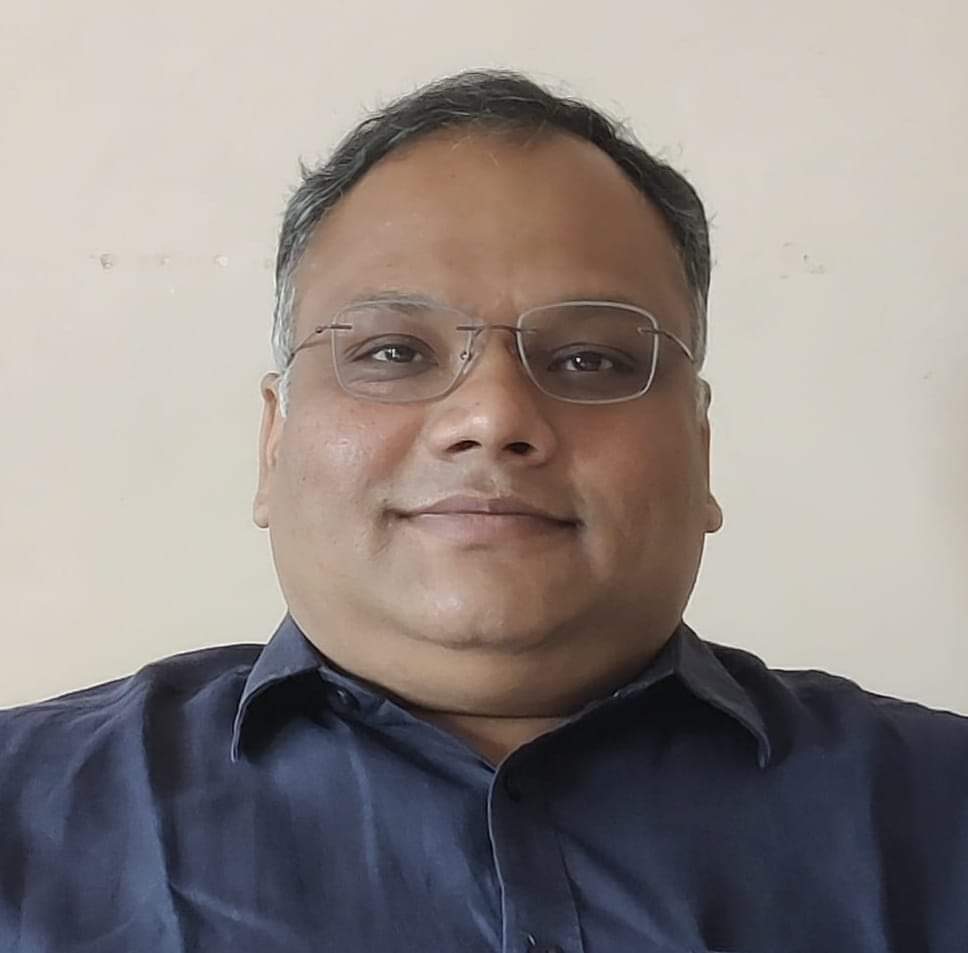
Manish Kumar, Editor’s Desk.



Congratulations Manish,very well articulated and placed your honest statements as to how the things to be looked at with positivity and working with a broader vision . Learnings from the past while venturing into future will yield good results.
Very powerful message to ponder over and re-emphasize the Universal Outlook .In a nutshell your message leads towards Human Excellence.
A new leaf with new hope and responsibility to pave the smooth way and the journey continues…
With Prem and Om