
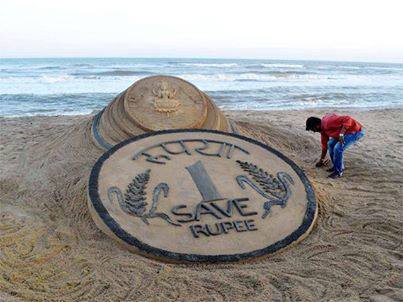
The Rupee recently crashed past the psychological barrier of ₹90 per US dollar — something many thought would belong only in dystopian scripts or angry WhatsApp forwards.
On paper, India’s economy isn’t exactly in a slump: growth seems decent. But in currency markets, we live not by GDP growth alone but by fear, global moods, and how much foreigners trust us with their money. And right now — let’s just say many foreign investors seem to have RSVP’d “Maybe” to India’s party, but didn’t bother showing up.
The slide hasn’t been a gentle slope either. Over the last 12 months, the Rupee is down somewhere around 5–6% against the dollar.
Why the Rupee is Saying “See ya!” to Its Value
1. Dollars Wanted — Especially for Oil, Gold, and Imports
India is a net importer of a lot: crude oil, precious metals, high-end machinery — basically, we try to keep up appearances. When the import bill balloons, you need more dollars. And when everyone needs dollars, the demand for those little green bills shoots up — pushing down INR in the process.
Hence, every time oil prices or global raw-material costs rise, that’s a bad hair day for the Rupee.
2. Capital Outflows: Investors Made a Quick Exit
A major culprit: foreign portfolio investors (FPIs) and foreign direct investors seem to be losing their faith (or at least their appetite) for holdings in INR. Global uncertainty, shifting interest rates, and a strong US dollar are making them treat Indian assets like that friend you rhythmically ghosted: one-day hold your hand, next-day vanished.
When they leave, they take dollars — and that sucks demand (and value) out of the Rupee.
3. Global Dollar Strength & Interest Rates
When the world sees trouble or even mild unease, the dollar acts like the comfort blanket everyone scrambles for. Rising US interest rates make US bonds and assets more attractive — so money flows out of emerging markets (like ours) back to the US. INR then looks like the sad kid left behind at the playground.
4. Trade-Deal Uncertainty & Export Woes
There’s drama on the trade front too. Uncertainty around trade deals — especially with big economies — can spook markets. If exporters fear tariffs or uncertain demand, they may delay or reduce export orders. That means fewer dollars coming in, which again leaves Rupee hungry and depressed.
5. Speculation, Algorithms & The Forex Version of “Sheep Herding”
Sometimes, it’s not even fundamentals but sentiment and momentum trading: speculators, hedge-fund algorithms, and fast money see a trend — everyone selling the rupee — and they join in. That amplifies the fall beyond what real economic indicators might justify. Markets, like cars, tend to downshift faster collectively than individually — and currency markets often do exactly that.
What It Means: Pain, Gains — and a Little Bit of “Silver Lining, Maybe”
The Not-So-Good Stuff
- Inflation Gets a Tarot Card — and It Reads “Higher Prices”
Because imports become costlier when paid in dollars, everyday stuff — fuel, electronics, even medicines with imported components — may get pricier. That push on costs cascades into broader inflation. - Travellers, Students Abroad, and the Dream of a Foreign Vacation Get Bruised
Want to study abroad, travel, or send money outside? The same dollar now costs more. Which means you’ll need more rupees to fill up that suitcase. - Import-Heavy Businesses Sigh Deeply
Industries that rely on imported machinery, raw materials, or parts will see their cost structure disrupted. Some might pass it to consumers; some might take a hit on margins. - Borrowing Foreign Loans or Debt Gets Costlier
Any business or entity with dollar-denominated liabilities will feel the pinch harder as INR slides.
But Wait — It’s Not All Doom & Gloom
- Exports & Services Might Smile (If India Plays Its Cards Right)
A weaker rupee makes Indian exports cheaper in dollar terms. So sectors like IT, pharmaceuticals, manufacturing — if competitive — could get a boost. - Remittances / NRIs’ Money — Slightly More Cheerful Flow
For Indians receiving money from abroad, each foreign dollar now converts into more rupees (assuming remittances stay stable). That’s a little win for those whose families rely on dollar-earnings abroad.
What Should Policymakers (and We) Do — or Watch Out For
- Balancing the Intervention — Short-term vs. Long-term
The Reserve Bank of India (RBI) can step in and use forex reserves to stem volatility. But too much intervention can drain reserves or create moral-hazard where markets expect constant bailouts. - Boost Exports, Reduce Import Dependence — More Make-in-India, Less “Made-in-Overseas-Spare-Parts-and-Petrol”
Structural reforms to encourage export competitiveness — tech, manufacturing, services — and promoting alternatives to imported crude (renewables, local manufacturing) could ease demand for dollars. - Attract Stable Long-Term Investment, Not Just FPI Fling-and-Dash
Relying too much on speculative/portfolio inflows makes currency vulnerable. Stable foreign direct investment (FDI), long-term bonds, and domestic capital flow are healthier anchors. - Encourage Hedging and Risk-Management for Businesses
Importers, companies with dollar exposure, and businesses depending on foreign supply chains could hedge currency risk — though as of now hedging is getting more expensive.
Rupee’s Midlife Crisis
Imagine the Rupee as a middle-aged hero in a Bollywood drama (yes, because our real life sometimes deserves that level of melodrama).
- He used to be suave, roamed the world — exchanged freely in Britain and elsewhere when pegged to sterling, wore his silver-coin armour proudly.
- Then came global storms, economic headwinds, and he started losing weight (value).
- Now foreign admirers are ghosting him (“Sorry Rupee, US bonds are better”). He’s down to ₹90 per dollar — and even his own folks are looking uneasy at the bar.
- But hey — maybe if he hits the gym (policy reforms, export push), stops buying petrol and expensive imported jewellery all the time (reducing import demand), and focuses on earning respect (exports, investment), he might get back his swagger.
Why This Might Get Uglier Before It Gets Better
- With continued global uncertainties — tough trade negotiations, volatile oil prices, rising global interest rates — the Rupee might slide further. Some analysts suggest a downward bias through 2026.
- If external debts or corporate liabilities in dollars rise, companies might struggle. And if inflation becomes sticky, common people’s wallets will feel the pinch even more.
- Over reliance on one-time winds (like a global commodity crash or surge in foreign investment) to prop up INR might prove dangerous — because markets often have short memories.
Rupee’s Rock-and-Roll Life — Hold Tight
The fall of the rupee isn’t just a number on a screen. It affects what you pay for petrol, phones, vacations, foreign education, gadgets — even remittances and salary from abroad.
But it’s not the end of the road. The “rupee slump” could also trigger a push toward more domestic manufacturing, export growth, and self-reliance. If managed with eyes open, what looks like a crisis can be a wake-up call — a rude but effective one — to fix structural issues, build resilience, and maybe come out stronger.
Until then, keep your wallets a little tighter, maybe postpone that “vacation abroad” fantasy, and pray that exporters earn big and bring home lots of those beautiful green dollars.